Investigative report
The Mayor, the Deacon and the Pastor: When Federal Housing Money Was Misused, Who Demanded Accountability?
Johnny DuPree’s pastor was convicted in a federal housing-fraud conspiracy arising from a program administered during DuPree’s mayoral administration. The public deserves to know what City Hall did and why DuPree later testified for the defense.
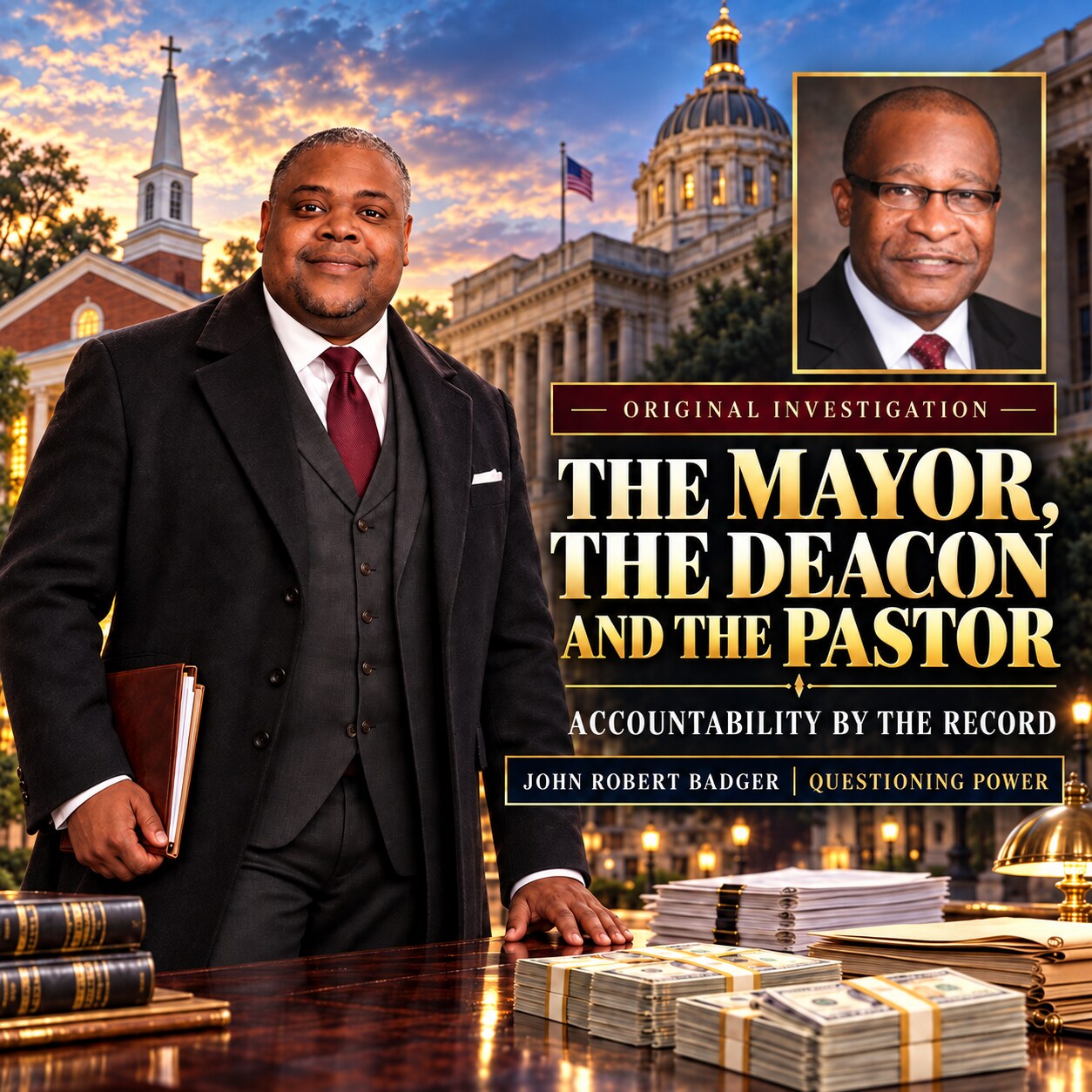
This is not a story about guilt by association. It is a story about public responsibility.
Kenneth E. Fairley Sr. served as pastor of Mount Carmel Baptist Church in Hattiesburg. Published accounts identify Johnny DuPree as a longtime member and church leader, and DuPree testified that his relationship with Fairley extended back to the seventh grade.
During DuPree’s tenure as mayor, Fairley operated Pinebelt Community Services, a nonprofit selected to participate in a federally funded affordable-housing program administered through the City of Hattiesburg.
That program eventually became the subject of a federal criminal prosecution.
What the federal record established
In March 2010, Hattiesburg designated Pinebelt as an approved Community Housing Development Organization. The city later contracted with Pinebelt to rehabilitate two houses through HUD's HOME Investment Partnerships Program.
Pinebelt submitted requests to Hattiesburg for $98,000. The city paid that amount using federal program funds.
Federal prosecutors presented evidence that documents made it appear that Artie Fletcher’s company had been competitively selected and had performed $98,000 in construction work. Investigators testified that Fletcher’s company did not perform the represented work and that only approximately $38,000 was spent rehabilitating the properties.
A federal jury convicted Fairley of conspiracy and two substantive theft counts. He was initially sentenced to 36 months in federal custody, ordered to pay $60,223.95 in restitution and fined $30,000.
An appellate court later vacated the two substantive counts because errors in the indictment, jury instructions and verdict form could have allowed conviction for a legally defective offense. But the court expressly affirmed Fairley’s conspiracy conviction.
The federal courts subsequently left his 36-month sentence in place.
Those distinctions matter. Two counts were vacated, but Fairley's federal conspiracy conviction was not erased.
What responsibility belonged to City Hall?
The federal program operated through the City of Hattiesburg. A former HUD official testified that the city, not HUD, was responsible for overseeing Pinebelt’s work.
That raises direct questions:
- Who verified the purported competitive-bidding documents before the money was released?
- Who confirmed that the contractor identified in the paperwork had performed the work?
- Why was Pinebelt paid through a lump-sum request when critical supporting records were reportedly missing?
- When did Mayor DuPree first learn that the documentation was incomplete?
- What disciplinary or corrective action did his administration take?
- Did the city attempt to recover public money?
- Were any employees, contractors or nonprofit organizations suspended or disqualified?
- What safeguards were implemented to prevent the same failures from happening again?
The record shows action and a troubling contradiction
The public record indicates that DuPree's administration requested HUD's assistance obtaining documents from Pinebelt. A later HUD inspector-general review states that it addressed a request from Hattiesburg's mayor for a comprehensive examination of the city's HOME program. Those actions must be acknowledged.
But they do not end the inquiry.
At Fairley's trial, retired city inspector Randy Jordan testified that a project had serious deficiencies and that DuPree called him into a meeting and placed him “on the hot seat.” According to Jordan's reported testimony, DuPree told him, in substance, to close out the project. Jordan said he worried about his job.
That was sworn testimony, not a judicial finding that DuPree committed wrongdoing. DuPree has not been charged or convicted in connection with Fairley’s conspiracy.
Nevertheless, Jordan’s testimony deserves a direct response from DuPree.
Then there is DuPree's own appearance at the trial. Fairley's defense called DuPree as its ninth witness. DuPree testified about his long relationship with Fairley while Fairley stood accused of conspiring to misuse money connected to a housing program administered by DuPree's city government.
What did DuPree do to hold Fairley accountable?
Requesting federal assistance and an audit were legitimate oversight steps. The public deserves to know precisely when DuPree requested them, what prompted those requests, what findings he received and what corrective measures followed.
But the record presently raises more questions:
- Why did DuPree testify for the defense of a longtime associate whose organization had received money through his administration?
- Did he ever publicly condemn the conduct established by the surviving conspiracy conviction?
- Did he demand restitution on behalf of taxpayers?
- Did he order an independent investigation of the city employees and procedures involved?
- Did he disclose his personal, political and religious relationship with Fairley when decisions concerning Pinebelt were made?
- Did he recuse himself from any meetings or decisions involving Pinebelt?
- How does DuPree explain the inspector’s sworn allegation that the mayor pressured him to close out a troubled project?
Accountability cannot depend on relationships
Church membership is not evidence of criminal conduct. Friendship is not evidence of criminal conduct. Testifying as a defense witness is not, by itself, unlawful.
But when public money passes through an administration and a close associate is convicted of conspiring to steal government funds connected to that program, voters have every right to examine how the administration responded.
Public leadership demands more than knowing the right people. It requires asking hard questions even when the answers concern a pastor, political ally, longtime friend or fellow church member.
Johnny DuPree should be given an opportunity to answer these questions fully and on the record.
The people should then decide whether his answers demonstrate accountability or whether personal loyalty was permitted to compete with public responsibility.
This investigation is continuing. Additional records, responses and documented findings will be reported as they are verified.
John Robert Badger
Presidential Candidate and Human Rights Advocate
October 4, 2026
Sources and public records
- U.S. Department of Justice: Hattiesburg businessmen sentenced in government fraud case
- United States v. Fairley, 880 F.3d 198 (5th Cir. 2018)
- United States v. Fairley, No. 18-60333 (5th Cir. 2019)
- WDAM: trial testimony concerning city oversight, records and inspections
- WDAM: defense called Mayor Johnny DuPree as its ninth witness
- HUD Office of Inspector General: City of Hattiesburg HOME program audit
- Mississippi Today: Fairley's political role, campaign relationship with Johnny DuPree and DuPree's defense testimony
Right of response and correction policy: Johnny DuPree, Kenneth Fairley and every person or organization named in this report may submit records, explanations or factual corrections for review. Material verified corrections will be identified transparently.
Published comments
No comments have been published yet.
Public conversation
Share your thoughts
Comments are reviewed before publication. Please discuss the issue respectfully and do not post private information.